Traveling outside of the United States to experience a different culture should be a required activity for American citizens.
We live in a bubble here, mostly comfortable, with many feeling no need to understand other cultures (and sometimes people harbor animosity toward them, often rooted in fear).
We have been taught for generations that we are the best country in the world, with the most freedoms and opportunities. Of course, this isn’t true (and we are no longer the country with the most freedom), but the mindset of American Exceptionalism pervades society. It’s a mindset that has done more harm than good, I believe.
There is a vast difference between vacationing in another country and immersing oneself in a new culture by living in it, learning about it, and making an effort to understand why they see and do things differently.
I do not take for granted that I have had the privilege of experiencing nine countries on three continents (soon to be eleven countries and a fourth continent).
- Two of those experiences were month-long cultural immersion experiences (Mexico and Tunisia).
- Three were week-long cultural immersion experiences (Guatemala, Brazil, Haiti).
- The others don’t count as cultural experiences because we didn’t leave the resort or learn much about the culture (Canada, Dominican Republic, and Barbados).
- I’ve also had immersion experiences with the Navajo people and in New Orleans, where both cultures are different than the one I grew up in.
In Mexico, I was an exchange student (16 years old) in Guadalajara. I lived with a Mexican family, attended a Mexican school, and experienced Mexican culture and history. My Spanish understanding grew exponentially and so did my appreciation for cultures other than mine. The more I learned of their collective story, the more my assumptions vanished.


It was here, at age sixteen, that I began to learn that every culture has a story that can teach us something if we’re willing to listen to it. And just because a culture does things differently doesn’t mean it’s wrong.
In Tunisia, I went in with an expectation that we would be disliked as Americans (this was in 2005, post-September 11 and we were in a predominantly Muslim country), and was concerned the people would be unkind to us. I could not have been more wrong.


One unforgettable moment happened in the Souk (marketplace) after Arabic lessons one day. A friend and I entered a shop, intending to bargain with the owner using our extremely limited vocabulary. We made a good effort, and his reaction shocked us both: instead of being insulted or annoyed at us, he was so honored and overjoyed that we had TRIED. We tried to speak his language, to make a connection. He ended up practically giving us whatever it was we intended to purchase because he felt seen.
Just as we had assumptions about them, they had them about us.
What we learned that day was that Americans are not always kind or respectful when visiting other countries and that leaves a bad reputation for all who follow. In Tunisia, we were told that Americans and Europeans often demand that they speak English to them without making any effort to communicate in the language of the land. They are often rude and demanding (and loud). They often disregard cultural norms because they don’t want to put in the effort.
The way we behave matters.
The people of Tunisia amazed me with their kindness, hospitality, respectfulness, and willingness to do whatever they could to help us. It didn’t matter that we believed differently, saw the world differently, practiced different religions, or anything else. Because we were respectful of their culture and way of life (even when that meant, as women, unequal treatment and having to stay home while the men went out), they were respectful and kind to us.
The Tunisian people taught me to throw out my assumptions and realize that kindness and respect exist in unexpected places. I was so happy to be wrong.
One of my strengths is being fully engaged wherever I am (like out of sight, out of mind on a larger scale), which has allowed me to develop a deep love for experiencing other cultures, as different from my own as they may be. I am able to dive in, forgetting what I left behind for the most part. This leads to a deeper appreciation for the country I am visiting and the story they share with me.
In each of these experiences, I didn’t know how much I didn’t know.
Few of us do.
These experiences have proved to me that the U.S. could benefit from being exposed to other cultures, other ways of living life. Different isn’t usually bad, though we are led to believe that it is.
When we observe other cultures with the assumption that we are better, it causes us to feel superior, judgmental, and even outraged at things they do or say because we don’t understand their story, their culture, their values. We assume that only we have it all figured out and they couldn’t possibly be satisfied with the life they have.
And we are wrong.
Haiti taught me that.


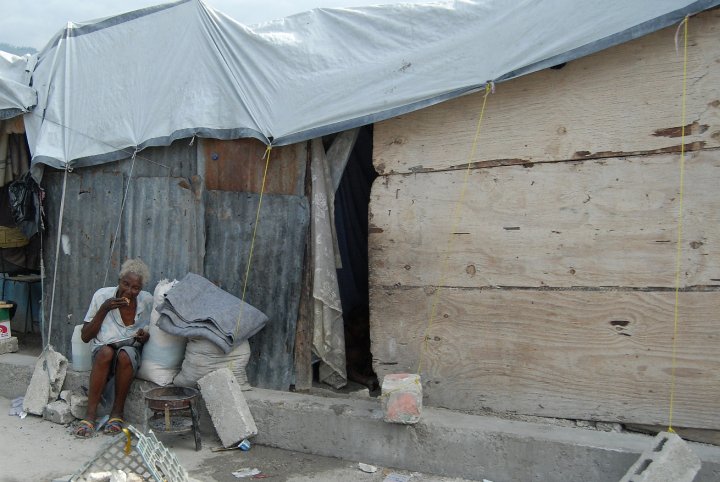


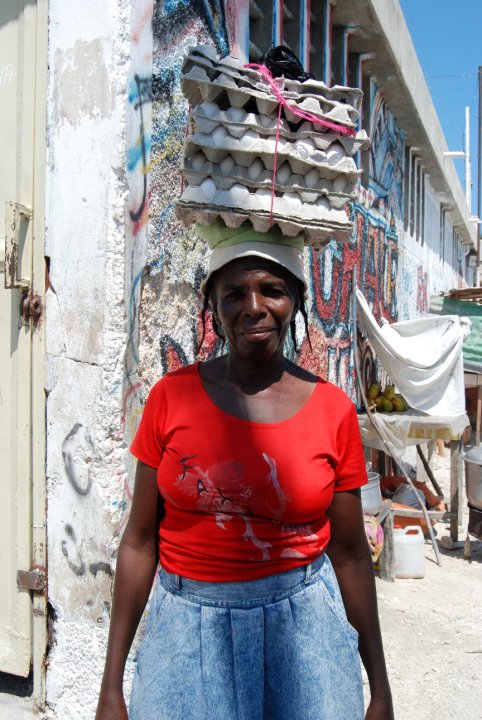
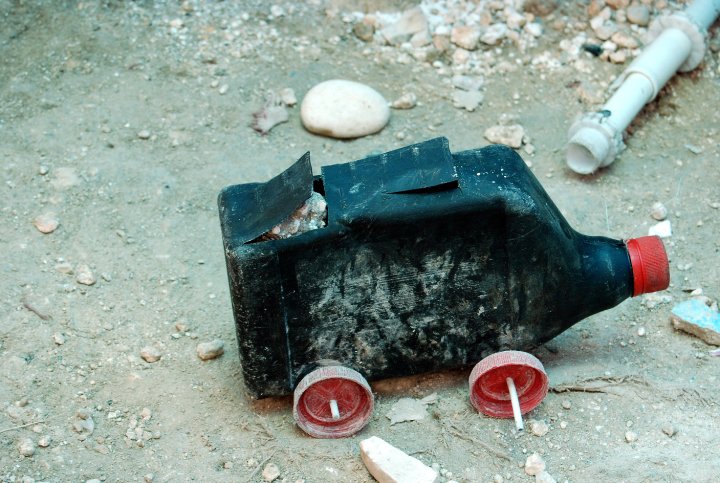


The beautiful people of Haiti had just endured the 2010 earthquake when I went down to help with the clean-up. I expected them to be depressed, angry, and scared. Instead, I saw great joy and contentment. Amazing resourcefulness. So much love.
I didn’t see that coming, but that’s because of my own assumptions.
The world is so big, beautiful, diverse, and I’ve only seen a small portion of it. America is only a small portion of it, too, but we’ve allowed ourselves to assume that we matter most. That what we value should be what everyone else does, too.
I have seen enough to know that we don’t have it all figured out here.
Other cultures are allowed to express themselves as they desire, and we’d be wise to take the time to learn instead of being offended.
I’ve long believed that context is everything, especially when it comes to culture. Cultures are complex, shaped by their unique history, colonization, geography, language, and religion. Their stories are intricate and deserve to be heard.
Traveling and learning the context of each culture has helped me be inquisitive and curious instead of outraged or offended. If I don’t understand something, I ask questions. I learn. And usually, there was no reason to be offended.
Be willing to learn before being offended. Listen to understand.

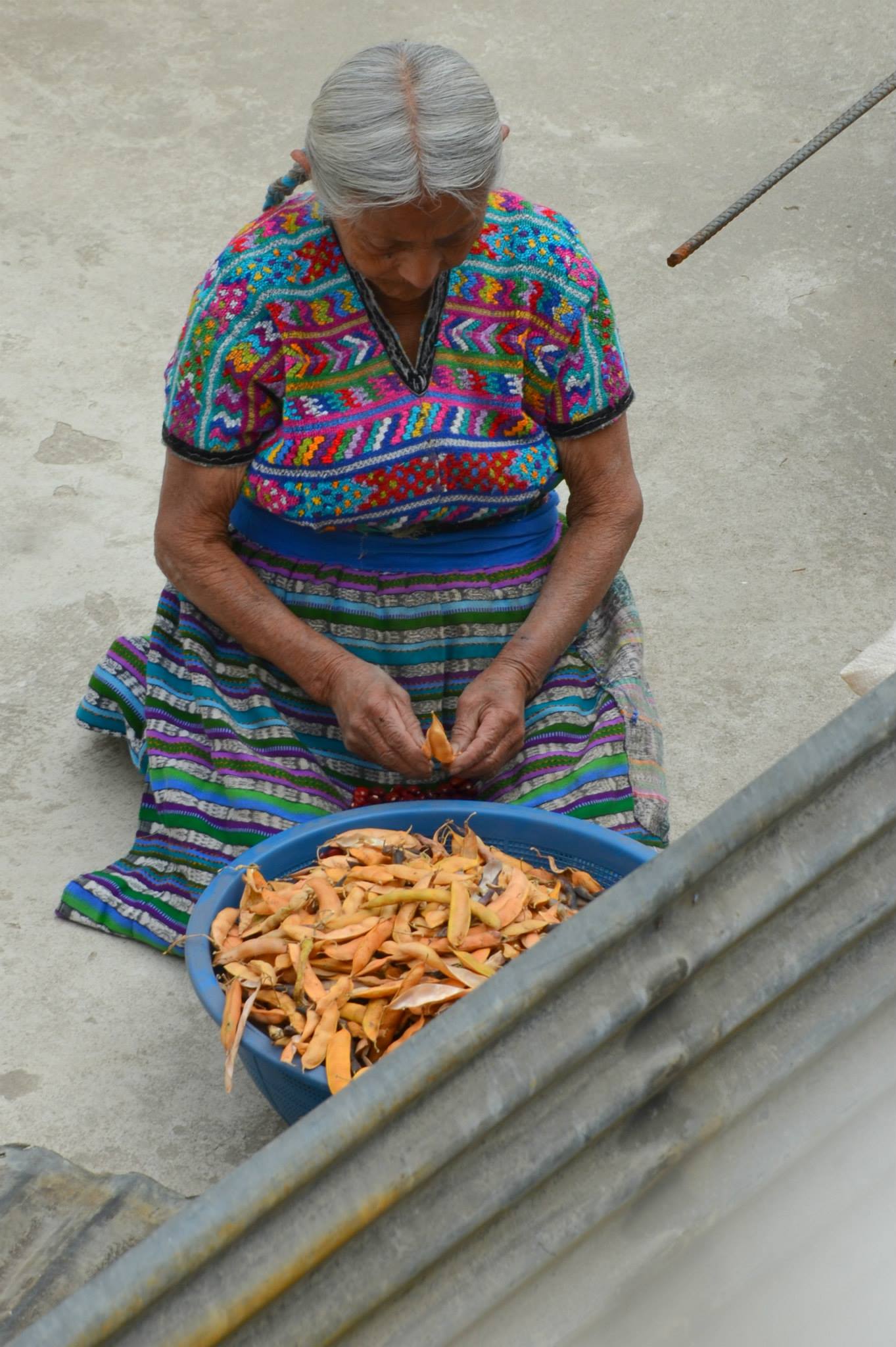


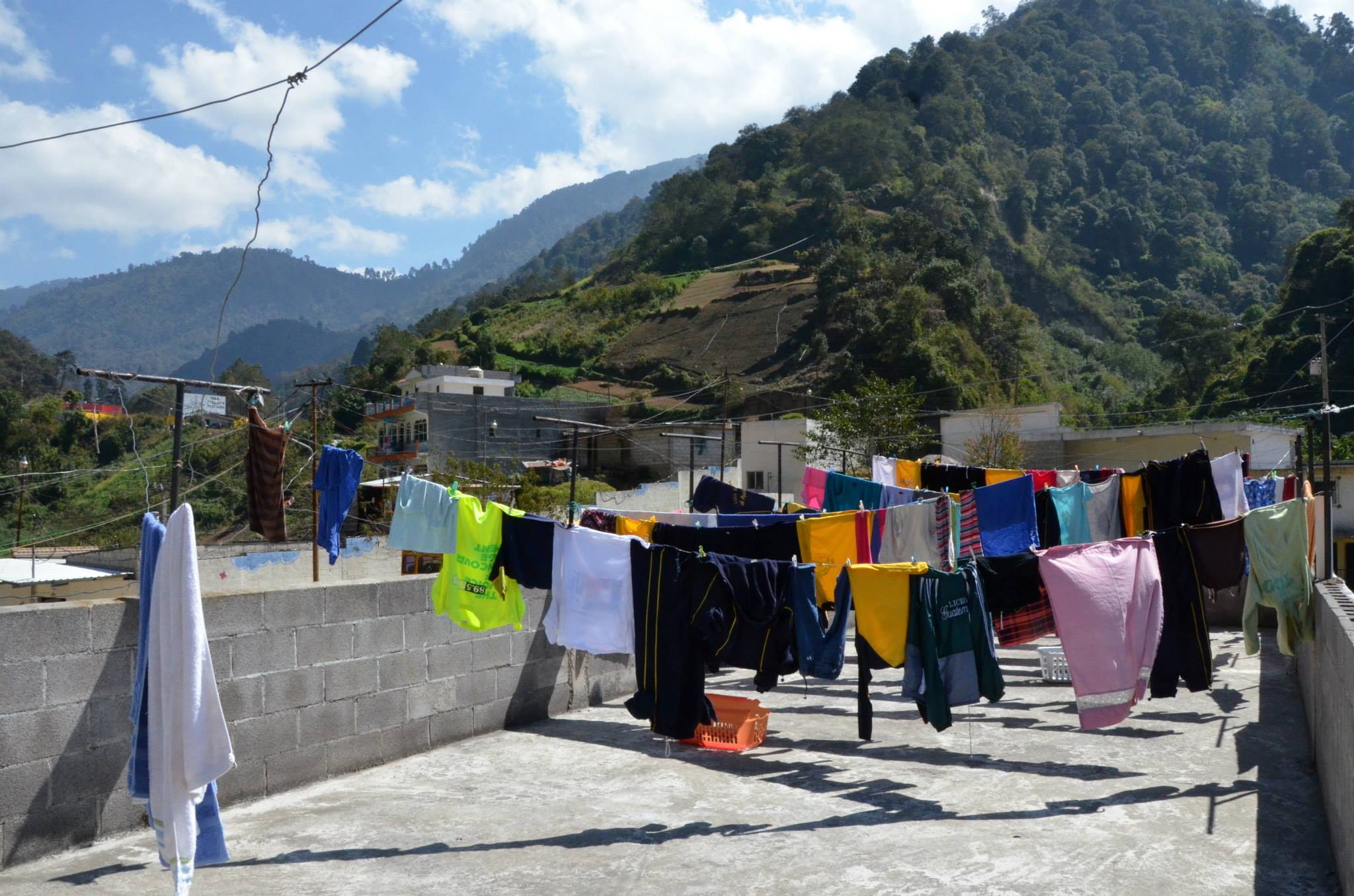
When all you know is your culture, it is easy to feel superior, like we have it all figured out and no one else does. That couldn’t be further from the truth. And just because you don’t like something doesn’t mean you should choose to be offended by it.
I know it can be uncomfortable to put yourself in situations where you are the minority, where you don’t feel as though you fully belong. Yet, it is in those moments that we can choose to grow as a person, grow in empathy, grow in kindness.
And we can all use more of that.
Look for opportunities, even in subcultures within the U.S., to immerse yourself and learn. Be curious. Be willing to listen to understand. It will make this world a better place.


 Even So, Joy
Leave a reply to Gloria Rose Cancel reply