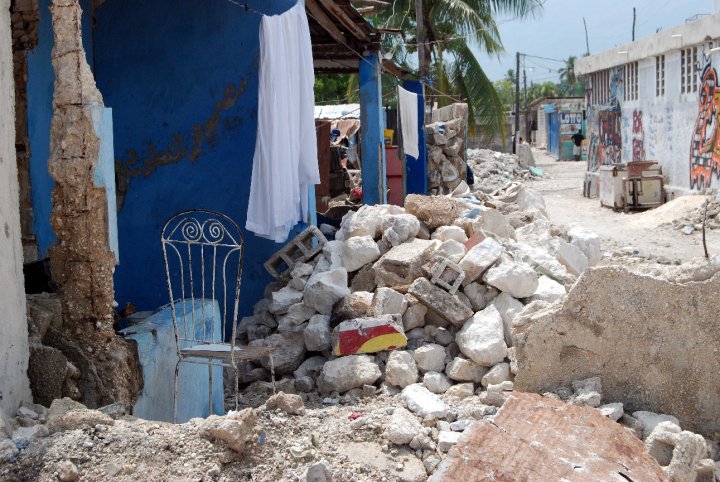
I’ve observed something over the past year that has become clearer in recent months than ever before: We are afraid of being uncomfortable.
In the United States, we often have everything we want, and because of that, we find ourselves constantly hungry for more.
We are raised on a narrative of exceptionalism—a mindset that teaches us to defend our way as the best and our systems as superior. We even see attempts to whitewash our history because the truth is uncomfortable. We hesitate to admit our country has ever stumbled because we’ve wrapped our entire identity in a specific brand of patriotism. To admit that our country isn’t the greatest is to admit it about ourselves, so we double down instead.
But this narrative carries a hidden cost. Much like the intentional flaws I’ve seen Tunisian weavers leave in their rugs, our history has snags. When we try to hide them rather than weave through them, the entire structure becomes brittle.
When we are confronted with different cultures, languages, or ways of living, we don’t feel curious; we feel threatened. To acknowledge the beauty in another way of life—or the flaws in our own history—is to admit that our “blueprint” might not be the only one.
So, we retreat. We avoid discomfort, but in doing so, we avoid growth.
Comfort is a beautiful place,
but nothing ever grows there.
Nearly twenty years ago, I began intentionally seeking opportunities to be uncomfortable. I realized that discomfort provides the exact coordinates for where we learn, grow, and become better humans. That conviction led me to move to Pennsylvania without a job, carrying only what would fit in my car. It was bold, it was exhilarating, and it taught me more about the internal landscape of my own potential than safety ever could.
My experiences in developing countries have shaped me in ways I am still discovering. Was it always comfortable? No. But was it life-giving? Absolutely. Because I was willing to listen to understand—and more importantly, to unlearn—I became more compassionate, more resilient, and more whole. I realized that a ZIP code or a border should never be a death sentence, a realization that only comes when you step off the sidewalk and into the median of someone else’s reality.
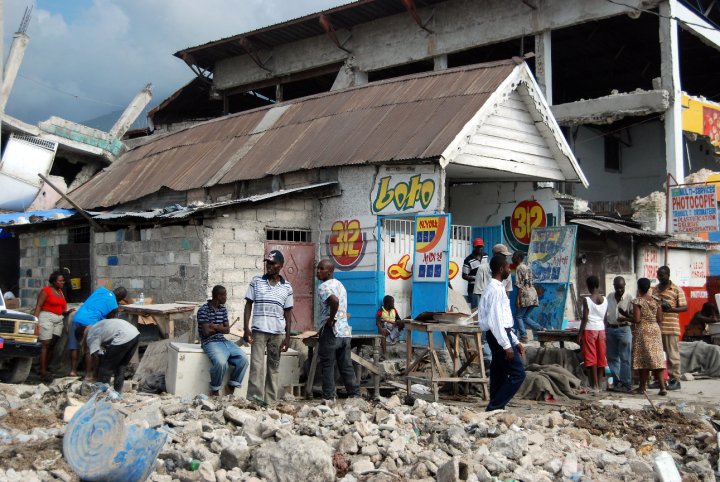
If you’ve never left the United States to experience another culture (and I don’t mean a resort designed to mimic American comfort), I challenge you to try. If you don’t want to leave the country, find ways to experience another culture with curiosity. Step into someone else’s world and realize their shoes are just as beautiful as the ones you wear.
Today, I challenge you to do one thing that scares you. Do one thing that feels uncomfortable—even if it’s just trying a food you can’t pronounce.
What’s the worst that can happen?
Now, consider the best that can happen: Your world expands, and you find the beauty of a life you didn’t know was possible. You build a tolerance for discomfort that eventually becomes resilience.
When we set aside our tightly held certainties to consider new perspectives, our lives finally become the cohesive, vibrant tapestries we’ve always wanted them to be.
For the past few years, I’ve been documenting my journey from fear to systemic change. If there is one thing that the long road taught me, it’s this: The most durable blueprints are drafted in the moments when we are the most uncomfortable.
I can’t wait to share more of that journey with you soon.
 Even So, Joy